

She got the call on a Tuesday morning. The kind of call that makes the rest of the day disappear.
A mass. Possibly malignant. Come back Thursday for a biopsy.
In the days that followed, she thought about her children. Her mother. The friend who would need to know. The appointments she would have to reschedule. She thought about whether her insurance would cover the treatment and whether she would lose her hair and whether her youngest would be old enough to remember this if things went wrong.
She did not think about her will. She did not think about who had healthcare proxy. She did not think about whether anyone had legal authority to pick up her children from school if she was in surgery, or whether her accounts were set up so that her family could access them if something happened to her before she recovered. She is not alone. Most people have not thought about those things either. And a diagnosis does not give you time to get your affairs in order. It reveals whether you already did.
October is Breast Cancer Awareness Month. This newsletter is about awareness of a different kind: the planning gap that a health crisis exposes, and what it takes to close it before you need it closed.
The Numbers Our Community Cannot Afford to Ignore
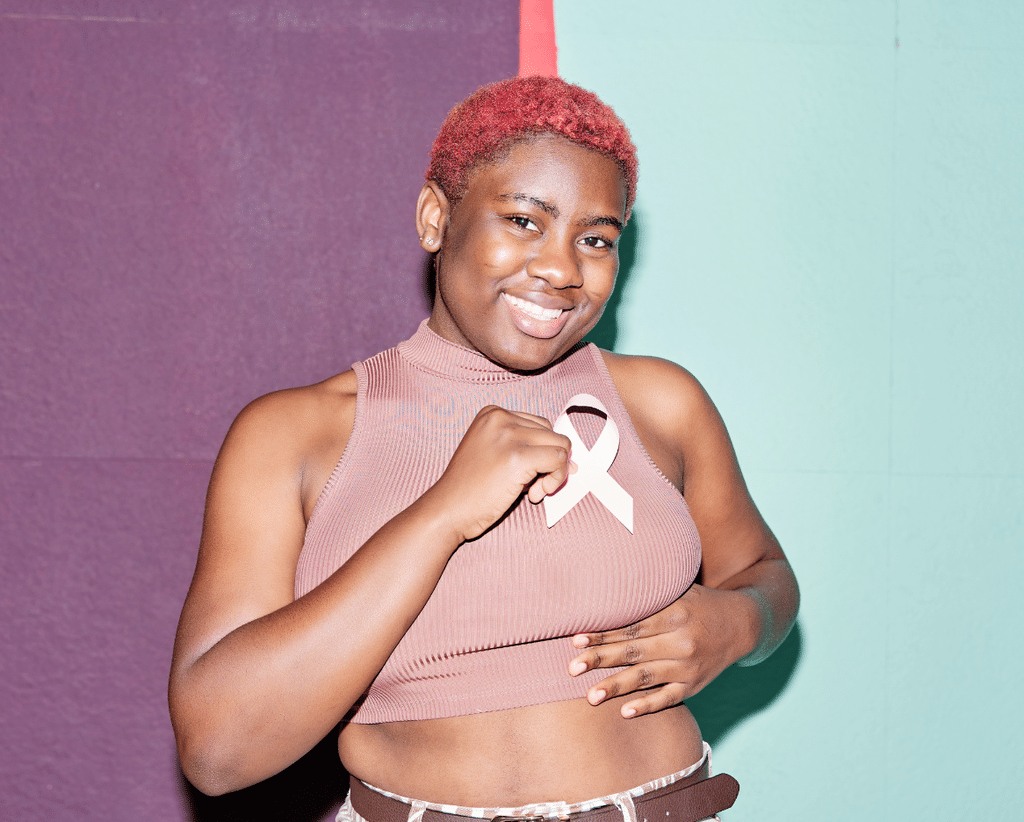
Black women and white women get breast cancer at similar rates. But Black women are roughly 40% more likely to die from it, especially those under 50. The reasons are layered: later diagnoses, less access to quality care, systemic barriers that have nothing to do with biology and everything to do with a healthcare system that was not built with Black women in mind.
At the same time, 71% of Black Americans do not have a will. Not because they don’t love their families. Not because they haven’t worked hard to build something. But because no one made the planning feel accessible, culturally relevant, or urgent enough to do before a crisis made it urgent for them.
Put those two facts together and you have a community of women who face a higher risk and carry a lower level of protection for the families who depend on them. That gap is not inevitable. It is a choice — and it is one that can be changed.
A diagnosis does not discriminate. But the families left behind without a plan face consequences that compound on top of grief. That is the gap we are here to close.
What Aretha Franklin and Chadwick Boseman Taught Us About Planning

Aretha Franklin, the Queen of Soul, died in 2018 with an estate valued at approximately $80 million. She left no will and no trust. What followed was years of public legal battles between her sons, handwritten notes found under cushions that courts had to determine were legally valid, and family conflict that played out in probate court for everyone to see.
Chadwick Boseman, who gave the world Black Panther and became a symbol of strength and dignity for an entire generation, died of colon cancer in 2020. He had kept his diagnosis private for four years. He left no will. His wife had to petition the court for the authority to manage his estate.
These were not people who did not care about their families. These were people who were extraordinary in every visible way, and who, like most of us, did not get around to the planning that would have protected the people they loved most.
The difference between their situations and the one I want for my clients is not a matter of wealth or fame. It is a matter of whether the documents existed before the crisis arrived. For Aretha and Chadwick, they did not. For your family, they still can.
A plan is not something you make when you are sick. It is something you make while you are well, so that a diagnosis becomes a moment of focus rather than a moment of crisis.
What Needs to Be in Place Before a Diagnosis
A health crisis creates two distinct planning needs, and most people only think about one of them.
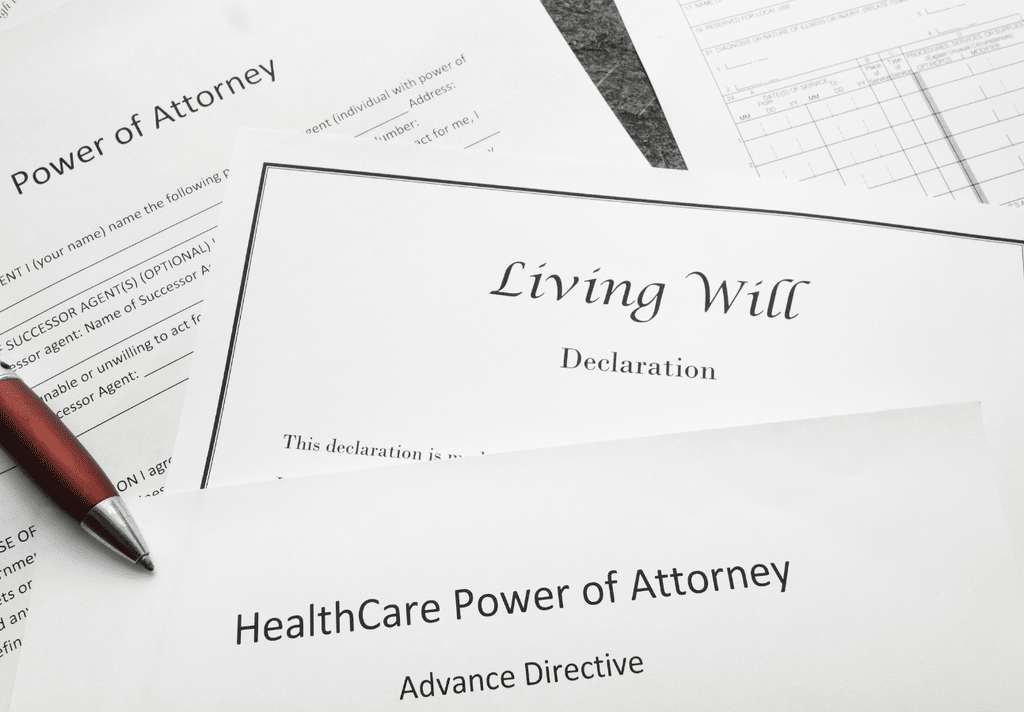
The first is the medical side: who makes decisions if you cannot speak for yourself. A healthcare proxy names that person and gives them legal authority to act on your behalf. A living will documents your wishes about treatment, resuscitation, and end-of-life care so that your family does not have to make those decisions in the dark. Without these documents, hospitals follow their own protocols. The person who knows you best may have no legal standing to speak for you.
The second is everything else: who has authority over your finances, your home, your children, and your accounts while you are in treatment, recovering, or incapacitated. A durable power of attorney gives a trusted person the ability to manage your financial affairs without a court process. A will or trust ensures that if the worst happens, your assets reach the people you intend. A Kids Protection Plan puts legal authority in writing so that your children are never in limbo while the adults around them figure out what to do.
These are not separate documents for separate moments. They are a coordinated set of decisions that work together when something disrupts the ordinary course of your life. A health crisis is exactly that disruption.
- Healthcare proxy: names who makes medical decisions when you cannot
- Living will: documents your wishes about treatment and end-of-life care
- Durable power of attorney: gives someone legal authority over your finances during incapacity
- Will or trust: ensures your assets reach the right people if you die
- Kids Protection Plan: gives your designated caregiver immediate legal authority to care for your children
- Beneficiary review: confirms that your life insurance and retirement accounts are directed to the right people
A healthcare proxy and a living will handle the medical side. A power of attorney, a will or trust, and a Kids Protection Plan handle everything else. All of it needs to exist before the diagnosis, not after.
For the Women Who Take Care of Everyone

There is something particular about the way this planning gap lands for Black women. Research has documented what many of us already know from experience: Black women are more likely to be the primary caregivers in their families, more likely to be managing the needs of children and aging parents at the same time, more likely to be the person everyone calls.
The same woman who has thought carefully about her mother’s healthcare proxy and her children’s school schedule has often not thought about her own. The same woman who would move mountains for everyone around her has not yet put her own name on a document that protects her wishes.
There is a term for this pattern: the Strong Black Woman archetype. The expectation of endless strength and selflessness that Black women absorb from childhood. It shows up in health too: research shows that Black women are less likely to seek medical care for themselves, more likely to delay screenings, more likely to be in an advanced stage of illness before a diagnosis is made.
The planning gap is part of the same pattern. Caring for yourself enough to put your own affairs in order is not selfishness. It is the most direct way to protect the people who depend on you. Because if something happens to the woman who takes care of everyone, the people she loves are the ones who are left to sort it out.
Taking care of your own plan is an act of care for the people who need you. It is not separate from how you love your family. It is part of it.
Your Next Step
If you have been putting this off because other people’s needs felt more urgent, this is the month to change that. October is Breast Cancer Awareness Month. It is also National Financial Planning Month. And it is a good month to look honestly at what your family would face if something happened to you, and to close the gaps before they need to be closed.
Schedule your complimentary 15-minute discovery call today. We will talk through what you have, what is missing, and what a complete plan looks like for your family. Come as you are. We will build from there.
Book your call HERE today!