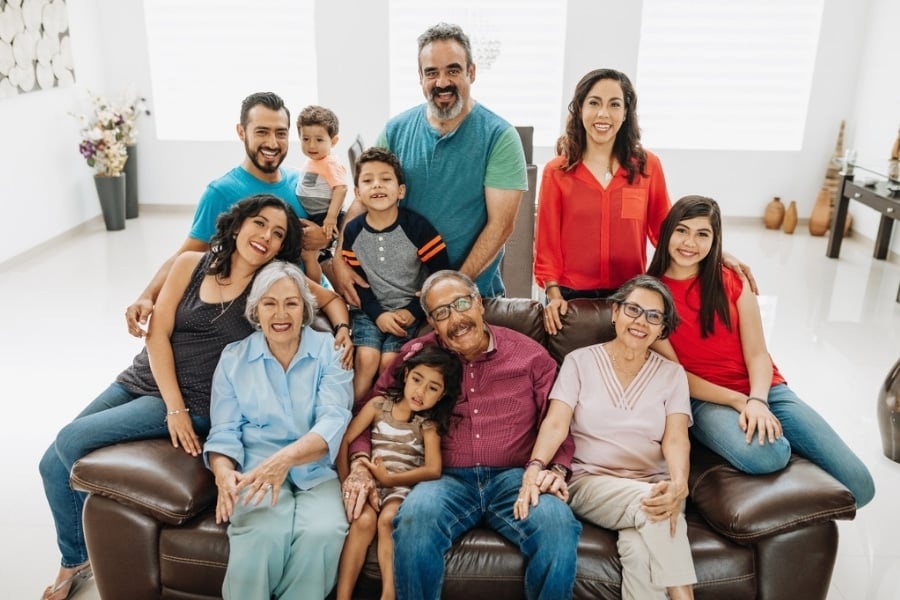
Your parents, or their parents, or the generation before them, made a decision that changed everything. They left. They crossed a border, got on a plane, took whatever they could carry, and came to build something in a place that was not built for them. What they built was not just a home or a bank account. It was a foundation. The beginning of something that was supposed to outlast them.
Hispanic Heritage Month, which closes October 15, is a time to honor that sacrifice and that vision. I want to spend it talking about something our community does not discuss nearly enough: what happens to everything that was built if there is no plan to protect it.
Because here is what I see in my work with Latino and Caribbean families across New York: extraordinary sacrifice, hard-won assets, deeply rooted values, and almost no legal structure to make sure any of it reaches the next generation the way it was intended. The first generation built it. The second generation assumed someone else would handle the paperwork. And the third generation is the one sitting in a probate court trying to figure out who legally owns the house their grandmother paid for. That is not the legacy anyone intended and it is entirely preventable.
What Standard Estate Planning Misses About Our Families
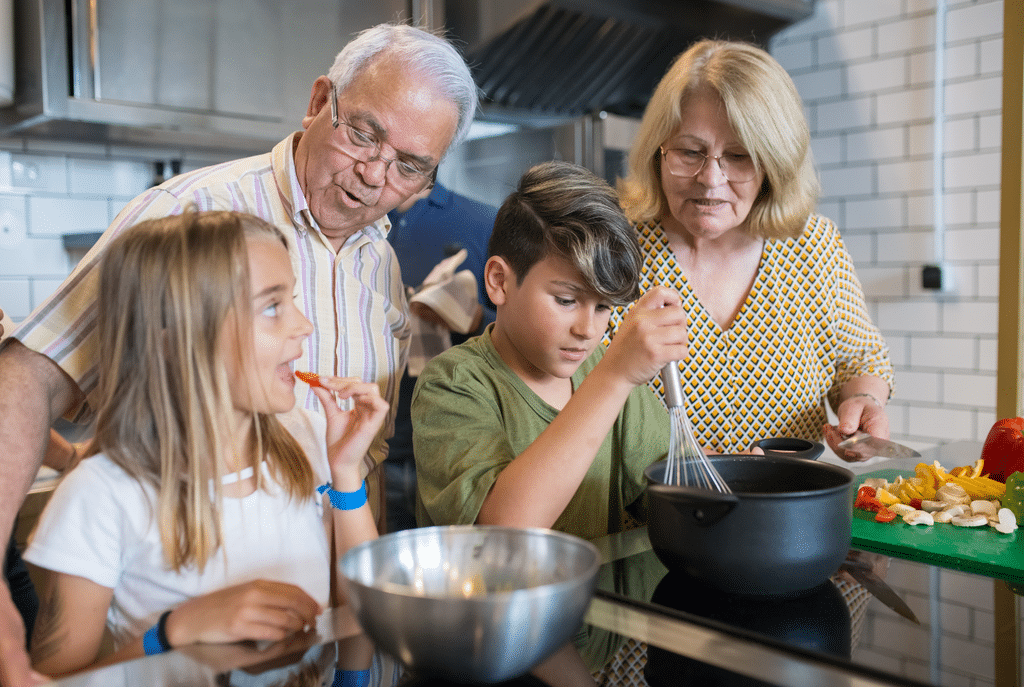
Most estate planning was designed for a particular kind of family: two married parents, children who are all legal residents, assets held in one country, and a clear chain of ownership that the law already recognizes. That family is not the one I work with most of the time.
Latino and Caribbean families are more likely to have:
- Property in two countries, sometimes informally held, sometimes in a family member’s name rather than the person who paid for it
- Multigenerational households where the boundaries between who owns what and who contributed to what are real but undocumented
- Children or family members with different immigration statuses, which affects both what they can inherit and how
- Remittances abroad that support aging parents or siblings, with no plan for what happens to that support if the person sending it dies or becomes incapacitated
- Informal arrangements, verbal agreements, and family understandings that everyone honors until there is a death and the law does not recognize any of them
- A deep cultural resistance to talking about death or planning for it, rooted in superstition, faith, or simply the weight of other more immediate concerns
None of these are problems. They are the real shape of real families. But they require planning that actually accounts for them, not a template designed for a family that looks nothing like yours.
A plan that doesn’t reflect the actual structure of your family will fail the people who needed it most. Your family deserves a plan built for your life, not someone else’s.
The Property Question Nobody Answers

One of the most common situations I encounter with Latino and Caribbean clients involves property. The family owns a home here. They may also have land, a house, or property in the Dominican Republic, Puerto Rico, Colombia, Mexico, Jamaica, Guyana, or wherever the family’s roots run deep.
Here is what most families do not know: a will drafted in New York does not automatically govern property located in another country. Each country has its own laws about how property transfers after a death, and in many cases those laws look very different from what applies here. If the property abroad was never formally titled, or if it was put in a family member’s name for convenience, the legal reality of who owns it may bear no resemblance to what the family understands.
This does not mean it is impossible to plan for. It means it requires attention, coordination, and in some cases, working with counsel in both places. What it absolutely requires is someone asking the question in the first place. I ask that question and I help clients think through the full picture: what they own, where it is, how it is held, and what needs to be in place to make sure it actually reaches the people they intend.
Property in two countries requires planning in two countries. A will that only addresses one side of the picture leaves the other side unprotected.
The Weight of Being First

There is a particular weight that comes with being the first in a family to own property here, to build credit, to navigate the legal system, to accumulate assets in a country that was not designed with your family in mind.
The first generation often carries this weight in silence. They figure it out because there was no one to ask. They build because the alternative is unthinkable. They almost never set up the legal structure around what they are building, because they are too busy building it. If you are the first in your family to own a home here, to have a retirement account, to run a business, to accumulate real assets in the United States: your plan is not optional. It is the difference between your sacrifice becoming a foundation and your sacrifice becoming something the next generation has to fight for in court.
I have watched siblings stop speaking over an estate that had no plan. I have seen assets the family thought were protected turn out to be held in a way that gave legal rights to someone the family would never have chosen. These are not stories about failure. They are stories about what happens when extraordinary sacrifice and hard work are not matched with a legal structure to protect them. That structure is what I build with my clients.
The sacrifice your family made to build something here is too significant to leave unprotected. The plan is the final act of that same commitment.
A Note About Language, Culture, and Trust

Estate planning requires a level of trust that most people do not extend to strangers, and especially not to lawyers. You have to share information about what you own, what you owe, how your family is structured, and what you are afraid of. For families who have navigated systems that were not designed for them, that trust does not come automatically.
I built Sweet Water Legacy Law to serve the communities I come from and the communities I am part of. My clients are immigrant families, Caribbean families, families of color, building legacy and wealth across generations in a system that has not always made that easy. The planning we do together reflects the actual family, the actual assets, and the actual life, not a simplified version of it.
We work in English and Spanish. We understand multigenerational households, remittances, cross-border property, and the informal structures that hold families together. And we understand that talking about death is hard in ways that go beyond discomfort. We move at the pace that works for you, and we make sure you understand every decision before it is made.
You should not have to translate your family to your estate planning attorney. At Sweet Water Legacy Law, your family is already understood.
Your Next Step
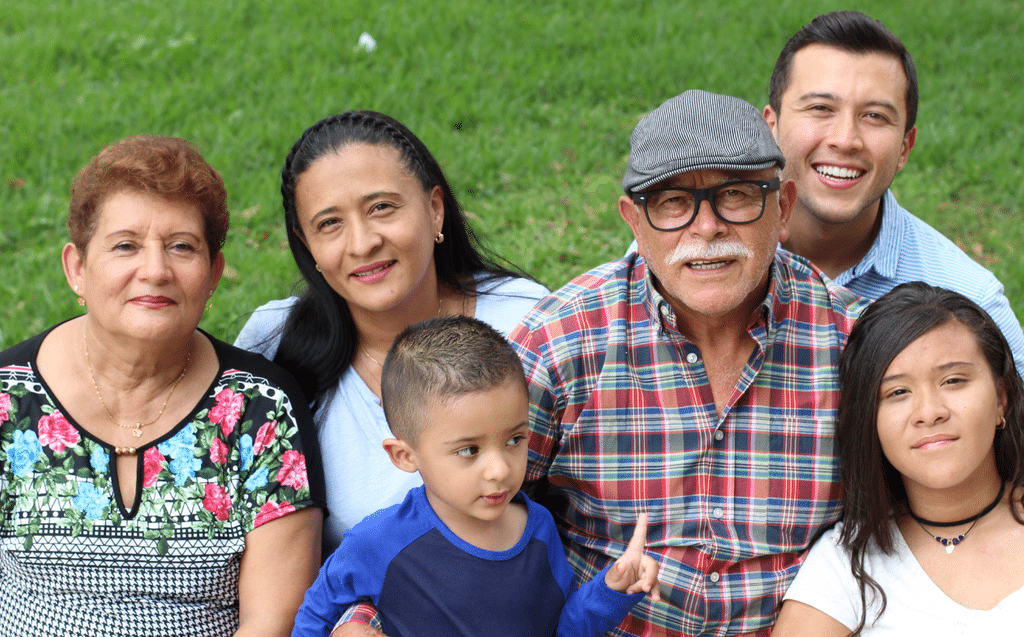
Hispanic Heritage Month closes October 15. Before it does, I want to invite you to have the conversation your family deserves.
A 15-minute discovery call is where we start. You tell me about your family, your assets, and what you want to protect. I tell you what a real plan looks like for your specific situation. No pressure, no jargon, and no simplified version of your family required.
Schedule your complimentary discovery call today. Available in English and Spanish.
Book your call HERE today!